
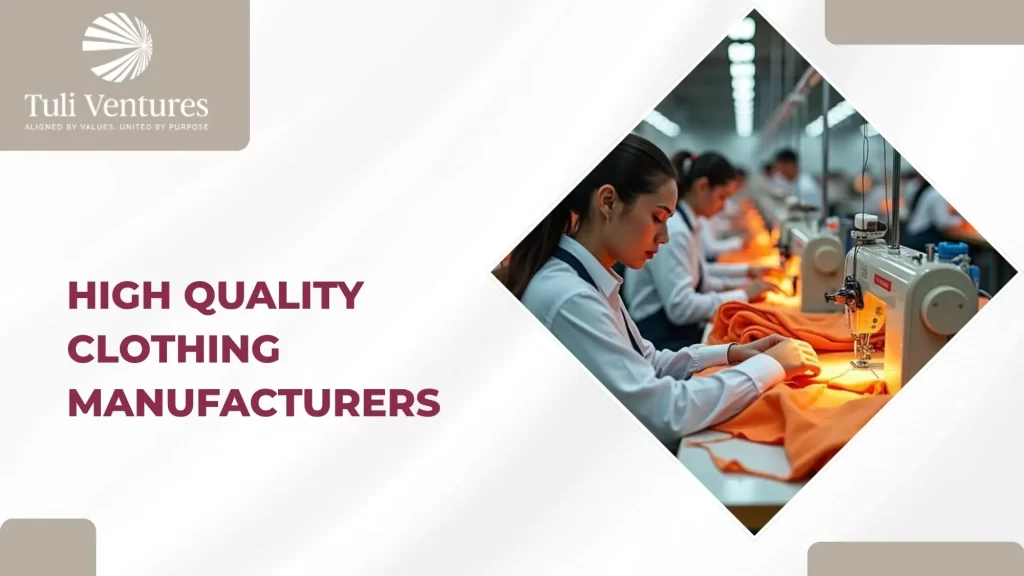
If you are searching for high quality clothing manufacturers in Vancouver or anywhere in the world, the decision is not just about cost. It is about finding a partner who can consistently deliver quality garments, manage your supply chain, and support your brand as it grows. The right clothing manufacturer helps you build trust with customers, reduce risk, and scale your clothing production without compromise.
For fashion brand founders, sourcing managers, and private label owners, choosing the right partner means evaluating much more than samples. It means understanding how a manufacturer thinks, works, and delivers over time.
Why Choosing the Right Clothing Manufacturer Matters More Than Ever
In today’s competitive fashion industry, your clothing manufacturer plays a direct role in how your brand is perceived. Customers expect high-quality clothing, fast delivery, and consistency across every order.
A strong manufacturing partner helps you:
- Build a reputation for quality clothing that customers trust
- Maintain consistency across every clothing collection
- Reduce product returns caused by poor garment manufacturing
- Improve operational efficiency in your supply chain
- Deliver on time, even during high-demand seasons
On the other hand, choosing the wrong clothing factory can lead to serious problems:
- Inconsistent sizing and poor fabric quality
- Delays in apparel production timelines
- Communication gaps that affect final output
- Increased costs due to rework and defects
For Vancouver-based brands, where competition and customer expectations are high, working with a reliable clothing manufacturer is not optional. It is essential.
What Defines High Quality Clothing Manufacturers
Not every manufacturer delivers the same level of quality. The difference between average and high-quality clothing manufacturers lies in their systems, expertise, and attention to detail.
1. Fabric Quality Comes First
Fabric is the foundation of every garment. Without strong textile selection, even the best designs will fail.
Global brands evaluate fabric quality based on:
- Durability and strength
Fabrics should withstand repeated washing and daily wear without losing shape or structure - Consistency across batches
Each production run must maintain the same color, texture, and finish - Sustainability options
Access to eco-friendly and sustainable clothing materials such as organic cotton, recycled polyester, and low-impact dyes - Comfort and performance
Especially important for activewear and premium fashion clothing
For brands in Vancouver, where sustainable clothing is a growing demand, choosing the right textile source is a key decision.
2. Strong Production Process and Systems
A professional clothing manufacturer follows a structured production process. This ensures that every garment meets defined quality standards.
A strong production system includes:
- Clear tech pack understanding
The manufacturer must interpret your tech pack accurately, including measurements, trims, and construction details - Sampling and approval stages
Development samples, fit samples, and pre-production samples are essential before bulk production - Standardized workflows
Each step in garment manufacturing is documented and followed consistently - Skilled workforce
Experienced teams ensure precision in stitching, finishing, and assembly
Without a structured process, even well-designed apparel can result in inconsistent outcomes.
3. Advanced Quality Control Standards
Quality control is one of the most important factors when selecting a clothing manufacturer.
Top clothing manufacturers follow strict quality control systems:
- In-line inspections
Quality checks during garment production to catch issues early - Final inspections
Thorough checks before shipment to ensure all clothing items meet standards - Defined quality benchmarks
Clear guidelines for stitching, measurements, and finishing - Defect management systems
Processes to identify and correct issues quickly
For brands targeting premium quality and international markets, strong quality control is non-negotiable.
4. Ability to Handle Customization
Modern fashion brands rely heavily on customization to stand out.
A reliable custom clothing manufacturer should offer:
- Custom garments and custom apparel solutions
Ability to produce unique designs based on your specifications - Private label clothing support
Adding custom labels, tags, and branding elements - Custom printed designs
Screen printing, embroidery, and other branding techniques - Custom-made clothing capabilities
Tailored fits and design variations for different markets
This flexibility is especially important for brands creating custom clothes or building a strong identity.
5. Scalable Supply Chain and Bulk Production
As your clothing brand grows, your production needs will increase.
A strong manufacturer must support:
- Bulk production without quality compromise
Maintaining consistency even at high volumes - Efficient supply chain management
Smooth coordination between sourcing, production, and delivery - Flexible capacity for small and large orders
Supporting both startups and established brands
This scalability is essential for long-term growth in global clothing markets.
What Vancouver-Based Brands Specifically Look For
Brands in Vancouver have unique expectations due to market trends and customer preferences.
Sustainability and Eco-Friendly Practices
Sustainability is a major priority for Canadian clothing brands.
Manufacturers must offer:
- Eco-friendly fabric sourcing
- Ethical garment manufacturing practices
- Reduced environmental impact in apparel production
- Transparent sourcing and production methods
Brands that focus on sustainable clothing often choose partners who align with these values.
Flexible MOQ for Startups and Growing Brands
Startups and small businesses require flexibility in production.
Key expectations include:
- Low minimum order quantities for initial runs
- Flexible MOQ options as the brand grows
- Support for small batch production
This allows new brands to test products before committing to large orders.
Reliable Communication and Transparency
Clear communication is critical in any manufacturing partnership.
Brands expect:
- Regular updates during clothing production
- Clear timelines and delivery schedules
- Transparent pricing structures
- Quick response to queries and changes
Strong communication reduces errors and builds trust.
Key Factors Global Brands Evaluate Before Choosing a Partner
When finding the best clothing manufacturer, global brands follow a detailed evaluation process.
1. Experience with Different Types of Clothing
Manufacturers with diverse experience are more adaptable.
They should be able to handle:
- Casual wear and fashion clothing
- Activewear and performance apparel
- Streetwear and custom apparel
- Formal and structured garments
Handling various clothing types ensures flexibility for future collections.
2. Capability in Private Label and Custom Production
Private label apparel is a growing segment in the industry.
Brands look for manufacturers who:
- Offer complete private label clothing solutions
- Support custom production for unique designs
- Provide branding options such as custom labels and packaging
This is essential for brands looking to scale globally.
3. Production Capacity and Lead Time
Reliable production timelines are critical.
Brands evaluate:
- Lead times for sampling and bulk production
- Capacity to handle seasonal demand
- Ability to meet deadlines consistently
Delays in garment production can impact sales and brand reputation.
4. Compliance and Quality Standards
Global clothing brands require manufacturers to follow strict standards.
These include:
- Ethical labor practices
- Safety and compliance certifications
- Environmental standards in textile sourcing
Compliance ensures credibility in international markets.
5. Pricing vs Value Balance
Cost is important, but value matters more.
Brands consider:
- Long-term cost efficiency
- Reduction in defects and returns
- Overall value delivered by the manufacturer
Choosing the cheapest option often leads to higher costs later.
The Role of Technology in Modern Apparel Manufacturing
Technology is transforming how clothing manufacturers operate.
Leading clothing manufacturers use:
- Digital tools for tech pack management
- Automated cutting and stitching processes
- Real-time tracking of apparel production
- Data-driven quality control systems
These advancements improve efficiency, accuracy, and overall garment production quality.
Common Mistakes Brands Make When Choosing a Manufacturer
Avoiding common mistakes can save time and money.
Choosing Based Only on Price
- Low-cost manufacturers may compromise on quality
- Hidden costs can increase overall expenses
Ignoring MOQ Requirements
- Misunderstanding minimum order quantities can lead to overproduction
- Financial strain for startups
Skipping Sampling Stage
- Samples help validate design and fabric quality
- Skipping this step increases risk
Lack of Clear Communication
- Miscommunication leads to production errors
- Delays and rework increase costs
How to Identify a High-Quality Clothing Manufacturer
Use this checklist when evaluating manufacturers:
- Do they provide detailed samples and prototypes?
- Are their quality standards clearly defined?
- Can they handle custom clothing manufacturer requirements?
- Do they support both startup and bulk production needs?
- Are they experienced in global clothing production?
This approach helps you make informed decisions.
Why Global Sourcing is Becoming the Preferred Choice
Many Vancouver and Canadian clothing brands are exploring global manufacturing options.
Benefits include:
- Access to advanced apparel manufacturing capabilities
- Competitive pricing without compromising quality
- Wider range of textile and fabric options
- Ability to scale production efficiently
Global sourcing allows brands to stay competitive in a fast-moving market.
Building Long-Term Relationships with Manufacturers
Successful brands focus on long-term partnerships.
Benefits of strong relationships include:
- Better pricing and negotiation power
- Priority production during peak seasons
- Improved communication and trust
- Consistent quality garments across orders
This stability is crucial for growing brands.
The Future of Clothing Manufacturing
The clothing industry is evolving rapidly.
Key trends include:
- Increased demand for sustainable clothing
- Growth of custom-made clothing and personalization
- Expansion of private label apparel brands
- Focus on eco-friendly production methods
Manufacturers who adapt to these trends will lead the future of apparel manufacturing.
Conclusion: Choosing the Right Partner for Long-Term Success
Selecting from high quality clothing manufacturers is one of the most important decisions for any clothing brand. It directly impacts your product quality, brand reputation, and scalability.
For brands in Vancouver, the focus should be on:
- Strong fabric quality and production systems
- Flexibility in MOQ and customization
- Reliable supply chain and delivery timelines
- Commitment to sustainability and high standards
The right clothing manufacturer becomes a long-term partner in your success.
Looking for a Reliable Global Manufacturing Partner?
If you are planning to launch or scale your clothing line, working with the right partner can simplify everything.
Tuli Ventures supports startups and established brands with:
- End-to-end apparel manufacturing solutions
- High-quality custom clothing and private label apparel
- Scalable production for small and large orders
- Strong quality control and global sourcing expertise
Whether you are creating your first collection or expanding into bulk production, their team helps you move forward with clarity.
Get in touch with Tuli Ventures today
Tell them your category, volume, and timeline. You will receive a response within 24 hours and a clear path to move your clothing production forward with confidence.