
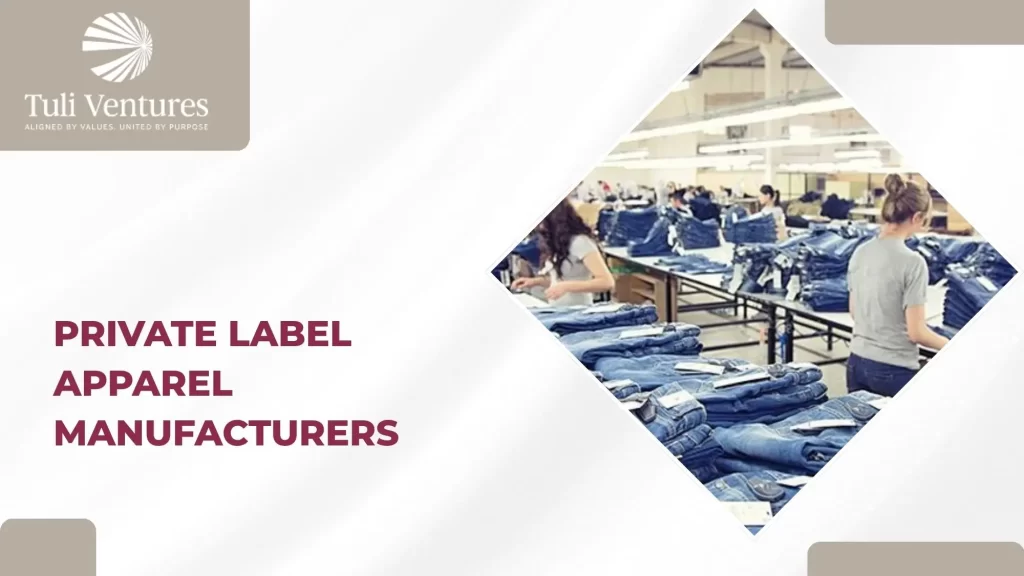
Choosing the right private label apparel manufacturers is not just about comparing prices or design capabilities. It is about ensuring compliance, maintaining consistent quality standards, and working with partners who offer full transparency throughout the production process. For startup apparel brands, D2C businesses, and retail owners, this decision directly impacts product reliability, customer trust, and long-term growth.
Private label production gives brands full control over identity and positioning. But without strong manufacturing systems behind it, even well-designed products can fail in the market. Understanding how manufacturers operate before production begins is what allows brands to scale confidently and sustainably.
What Private Label Apparel Manufacturing Really Means for Your Brand
Private label manufacturing is often misunderstood. It is not just about adding your logo to a product. It is about building a complete product line that reflects your brand vision while relying on a manufacturing partner for execution.
How Private Label Works in Detail
- Custom product development based on your brand vision
Unlike ready-made solutions, private label focuses on creating custom private label clothing tailored to your requirements. This includes design, fit, fabric, and finishing. - Full ownership of brand identity
You control how your product is positioned in the market, from pricing to packaging. The manufacturer supports execution but does not control branding. - Flexibility in design and production
You can refine styles, introduce new collections, and adapt based on customer feedback without major limitations. - Scalable manufacturing approach
From small runs to large volumes, private label production can grow with your brand.
Working with experienced private label apparel manufacturers Canada helps brands create products that feel unique and consistent.
Why Compliance Matters in Private Label Apparel Manufacturing
Compliance is not just a legal requirement. It is a foundation for building a trustworthy brand.
Key Areas of Compliance You Should Evaluate
- Labor and ethical standards
Manufacturers must follow fair labor practices, provide safe working conditions, and operate responsibly. This directly affects your brand reputation. - Product safety and regulatory standards
Apparel must meet specific safety guidelines, especially in categories like children’s clothing or performance wear. - Environmental regulations
Many brands now focus on sustainable apparel production, making it important to work with partners who follow eco-conscious practices. - International trade compliance
If you plan to sell globally, your manufacturer must comply with import and export requirements to avoid delays and penalties.
Strong compliance in apparel manufacturing protects your business from risks and builds customer confidence.
Certifications: How to Verify Manufacturer Credibility
Certifications provide measurable proof that a manufacturer meets industry standards.
Key Certifications to Check Before Production
- Quality management certifications
These ensure the manufacturer follows structured processes to maintain consistent output across all production runs. - Environmental certifications
They confirm that the manufacturer is committed to reducing environmental impact through responsible practices. - Social compliance certifications
These verify ethical labor conditions, ensuring workers are treated fairly and safely. - Material and textile certifications
These confirm that the fabrics used are safe, durable, and meet required standards.
Working with certified clothing manufacturers reduces uncertainty and ensures your products meet global expectations.
Understanding the Apparel Production Workflow
A clear understanding of the apparel production workflow helps you evaluate whether a manufacturer can meet your expectations.
Key Stages in the Production Process
- Apparel design and manufacturing planning
This stage defines product specifications, materials, and overall design direction. - Pattern making and garment development
Accurate pattern making and garment development ensures consistency in sizing and fit. - Clothing sampling and prototyping
This step allows you to test your designs before moving into bulk production. - Fabric sourcing and textile development
Selecting the right materials is essential for durability, comfort, and overall quality. - Garment cutting and sewing process
Precision during cutting and stitching ensures consistency across all units. - Final finishing and packaging
Includes labeling, quality checks, and preparation for delivery.
Understanding these clothing manufacturing process steps allows you to identify potential issues early.
Fabric Sourcing and Textile Development
Fabric is the foundation of every garment. Poor material selection can affect the entire product.
What to Evaluate in Fabric Sourcing
- Consistency across batches
Every production run should match the approved sample in texture, color, and durability. - Performance and durability
Fabrics should maintain quality even after repeated use and washing. - Sustainability options
Many brands now prefer eco-friendly materials to align with market demand. - Availability for future production
Ensuring consistent supply prevents delays during scaling.
Strong fabric sourcing and textile development ensures your products meet customer expectations consistently.
Garment Quality Control Process: Maintaining Standards at Scale
Quality control is one of the most critical aspects of private label manufacturing.
What a Strong Quality Control System Includes
- In-line inspections during production
Identifying issues early helps reduce defects and rework. - Final product inspection
Ensuring every item meets defined quality standards before shipment. - Batch consistency checks
Maintaining uniform quality across all production runs. - Clear quality benchmarks
Defined standards for stitching, measurements, and finishing.
A reliable garment quality control process ensures your brand delivers consistent quality to customers.
Production Transparency: Building Trust Through Visibility
Transparency is becoming a key factor in modern manufacturing partnerships.
What Production Transparency Looks Like
- Clear communication about processes
Manufacturers should explain each step of production in simple terms. - Visibility into sourcing and supply chain
Knowing where materials come from helps build trust and accountability. - Regular updates on production status
Keeping brands informed about progress reduces uncertainty. - Open discussion of challenges
Honest communication helps resolve issues quickly.
A transparent supply chain apparel approach strengthens relationships and builds credibility.
Customization and Branding Capabilities
Private label manufacturing is about creating a unique brand identity.
Key Branding Capabilities to Evaluate
- Custom labeling and packaging
Professional branding elements that reflect your brand image. - Branded apparel manufacturing support
Adding logos, tags, and design elements consistently. - Flexibility in customization
Ability to adapt designs based on market feedback. - Support for product differentiation
Helping your brand stand out in a competitive market.
Strong branding capabilities help build a recognizable and trusted brand.
Ethical and Sustainable Manufacturing Practices
Sustainability is no longer optional. It is a key expectation from customers.
What Ethical Manufacturing Includes
- Fair wages and safe working conditions
Ensuring ethical treatment of workers. - Eco-friendly production methods
Reducing environmental impact through responsible practices. - Use of sustainable materials
Supporting long-term environmental goals. - Transparency in operations
Providing clear information about manufacturing practices.
Working with ethical partners strengthens your brand’s reputation.
Evaluating Manufacturer Capability and Scalability
Your manufacturer should be able to support your growth over time.
Key Factors to Assess
- Production capacity
Ability to meet your current and future demand. - Scalability of operations
Supporting both small and large production volumes. - Efficiency in production systems
Ensuring timely delivery and consistent output. - Experience in private label apparel production
Understanding the unique needs of branding and customization.
Choosing the right partner ensures smooth and sustainable growth.
Common Mistakes Brands Make When Choosing Manufacturers
Avoiding mistakes can save time, money, and effort.
Mistakes to Watch For
- Ignoring compliance and certifications
- Skipping sample testing
- Choosing based only on price
- Lack of clear communication
- Not planning for scalability
Being aware of these mistakes helps you make better decisions.
Building Long-Term Partnerships for Growth
Strong partnerships are essential for long-term success.
Benefits of Long-Term Relationships
- Better pricing and terms over time
- Consistent product quality
- Faster production cycles
- Improved communication and trust
Long-term partnerships create stability and support growth.
Conclusion: Building a Strong Foundation for Your Brand
Choosing private label apparel manufacturers is one of the most important decisions for your brand. It affects your product quality, compliance, and ability to scale.
To succeed, focus on:
- Verified compliance and certifications
- Strong quality control systems
- Transparent production processes
- Reliable sourcing and materials
- Customization and branding capabilities
The right partner helps you build a brand that customers trust and return to.
Ready to Build Your Private Label Apparel Brand with Confidence?
If you are planning to launch or scale your brand, working with the right manufacturing partner can make all the difference.
Tuli Ventures supports brands with:
- End-to-end apparel manufacturing services
- Private label and custom clothing solutions
- Strong compliance and quality control systems
- Scalable production for growing businesses
Whether you are starting your first collection or expanding your operations, their team helps you move forward with clarity and confidence.
👉 Get in touch with Tuli Ventures today
Share your product requirements, branding goals, and timeline. You will receive a response within 24 hours and a clear plan to bring your products to market successfully.