
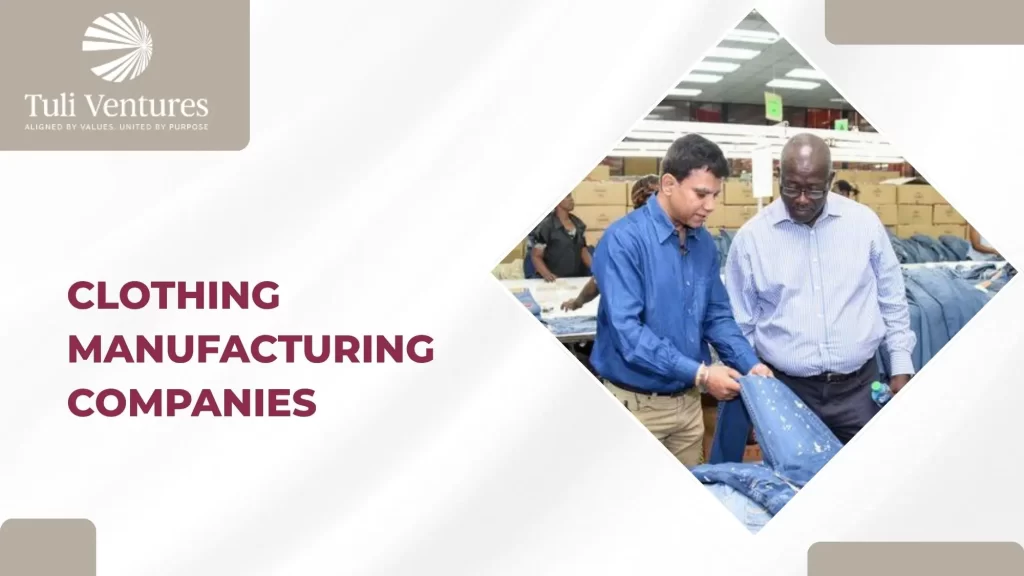
Scaling production without losing quality is the biggest challenge for growing apparel brands. The most successful clothing manufacturing companies achieve this by building strong systems around sourcing, production, and quality control while maintaining flexibility for customization and growth. For brands planning to scale, the key is not just increasing volume but ensuring every garment meets the same standard as the first sample.
For fashion brands, sourcing managers, and private label businesses, understanding how leading manufacturers scale production can help you avoid costly mistakes and build a reliable supply system.
Why Scaling Production is Challenging in the Apparel Industry
In the fashion industry, scaling production is not as simple as increasing output. As production grows, maintaining consistency becomes more complex.
Common Challenges Brands Face
- Inconsistent garment quality
When production increases, even small issues in stitching or fabric can multiply across bulk orders - Supply chain disruptions
Delays in fabric sourcing or trims can slow down the entire production process - Communication gaps
Miscommunication between designers and production teams can affect final products - Difficulty maintaining standards
Without proper systems, quality control becomes harder at scale
Leading clothing manufacturers overcome these challenges by focusing on structured processes and strong operational control.
What Sets Leading Clothing Manufacturing Companies Apart
Not every clothing manufacturer can scale efficiently. The difference lies in how well they manage production systems and quality standards.
Key Characteristics of Leading Manufacturers
- Structured production process
A clearly defined workflow from design to final output ensures consistency - Strong team of skilled professionals
Skilled pattern makers and technicians play a critical role in maintaining quality - Investment in infrastructure
A well-equipped production facility supports smooth operations - Focus on long-term partnerships
Manufacturers that prioritize relationships deliver better results over time
These factors allow leading clothing manufacturers to scale without compromising quality.
The Role of Fabric Sourcing in Scalable Production
Fabric sourcing is one of the most important steps in apparel manufacturing. Without consistent materials, scaling production becomes difficult.
How Leading Manufacturers Manage Fabric Sourcing
- Reliable supplier networks
Working with trusted suppliers ensures consistent fabric quality - Bulk sourcing strategies
Buying in larger quantities helps maintain uniformity across production batches - Access to diverse materials
Including denim, sportswear fabrics, and eco-friendly clothing options - Quality checks at sourcing stage
Ensuring fabric meets required standards before production begins
Strong fabric sourcing systems help maintain consistency in apparel production.
Pattern Making and Product Development at Scale
Scaling production starts with accurate design and development.
Importance of Pattern Making
- Precise pattern development
Ensures consistency across all garments - Standardized sizing systems
Helps maintain fit accuracy in bulk production - Collaboration with fashion designers
Aligns design intent with manufacturing capabilities - Sample production before scaling
Testing prototypes reduces production risks
A strong design and development process ensures smooth transition from sample to bulk production.
Cut and Sew Expertise: The Core of Quality Manufacturing
The cut and sew process is where designs become actual garments.
What Leading Manufacturers Focus On
- Precision cutting techniques
Ensuring fabric is cut accurately to reduce waste - Efficient production line setup
Streamlining operations for faster turnaround time - Skilled stitching and assembly
Maintaining consistent quality across all units - Quality checks during production
Identifying issues early in the process
A well-managed cut and sew system is essential for maintaining quality at scale.
Custom Apparel and Private Label Production
Customization plays a major role in modern apparel manufacturing.
How Leading Manufacturers Support Customization
- Custom apparel solutions
Creating unique designs tailored to brand requirements - Private label services
Adding labels, tags, and branding elements - Screen printing and sublimation techniques
Enhancing product appeal and differentiation - Custom clothes for various categories
Including streetwear, hoodies, and sportswear
This flexibility helps brands maintain a strong identity while scaling.
Quality Control Systems That Scale with Production
Quality control is the backbone of scalable manufacturing.
Key Elements of Scalable Quality Control
- Multi-stage inspection process
Checks at different stages of production - Standardized quality benchmarks
Ensuring every garment meets defined criteria - Final product inspection
Verifying consistency before shipment - Continuous improvement systems
Learning from defects to improve future production
Strong quality control ensures that scaling does not compromise product standards.
Managing MOQ and Bulk Orders Efficiently
Scaling production involves handling larger volumes efficiently.
What Brands Should Know About MOQ
- Minimum order quantity requirements
Understanding MOQ helps in planning production - Balancing cost and flexibility
Low MOQ options are useful for testing new designs - Bulk orders for cost efficiency
Larger volumes reduce per-unit costs - Planning inventory effectively
Avoiding overproduction or stock shortages
Managing MOQ effectively helps brands scale sustainably.
Supply Chain Optimization for Scalable Growth
A strong supply chain is essential for scaling production.
How Leading Manufacturers Optimize Supply Chain
- Efficient coordination between suppliers and production teams
- Real-time tracking of production stages
- Streamlined logistics and delivery systems
- Risk management strategies for delays
An optimized supply chain ensures smooth operations and timely delivery.
Manufacturing in Canada vs Global Production
Many brands consider manufacturing in Canada alongside global options.
Advantages of Canadian Manufacturing
- Easier communication and faster approvals
- Strong quality standards and compliance
- Opportunity to market products as made in Canada
Advantages of Global Manufacturing
- Lower production costs
- Larger production capacity
- Access to diverse materials
Brands often combine both approaches for efficiency and scalability.
Technology and Innovation in Apparel Manufacturing
Technology plays a key role in modern manufacturing.
Key Innovations
- Automated production lines
- Digital pattern development systems
- Advanced screen printing and sublimation techniques
- Data-driven production management
These innovations improve efficiency and consistency in apparel manufacturing.
Common Mistakes Brands Make When Scaling Production
Avoiding mistakes is critical for successful scaling.
Common Mistakes
- Scaling too quickly without testing production systems
- Ignoring quality control processes
- Choosing manufacturers based only on price
- Lack of clear communication with the manufacturer
Understanding these risks helps brands make better decisions.
Building Long-Term Partnerships with Manufacturers
Successful brands focus on long-term relationships.
Benefits of Strong Partnerships
- Better pricing and wholesale prices
- Priority production during peak seasons
- Improved communication and trust
- Consistent product quality
Strong partnerships lead to sustainable growth.
Conclusion: Scaling Production Without Compromising Quality
Leading clothing manufacturing companies understand that scaling production is not just about increasing volume. It is about maintaining consistency, quality, and efficiency at every stage.
For brands looking to grow, the focus should be on:
- Strong production systems and processes
- Reliable fabric sourcing and supply chain
- Effective quality control measures
- Customization and private label capabilities
Choosing the right manufacturing partner ensures long-term success in the competitive apparel market.
Ready to Scale Your Apparel Production with Confidence?
If you are planning to scale your clothing line and need a reliable partner, working with the right team makes all the difference.
Tuli Ventures supports brands with:
- End-to-end apparel manufacturing services
- High-quality custom apparel and private label solutions
- Scalable production for growing brands
- Strong sourcing and production expertise
Whether you are a startup or an established brand, their team helps you scale efficiently without compromising quality.
Get in touch with Tuli Ventures today
Share your requirements, product details, and production goals. You will receive a response within 24 hours and a clear plan to scale your manufacturing with confidence.